

Key Takeaways
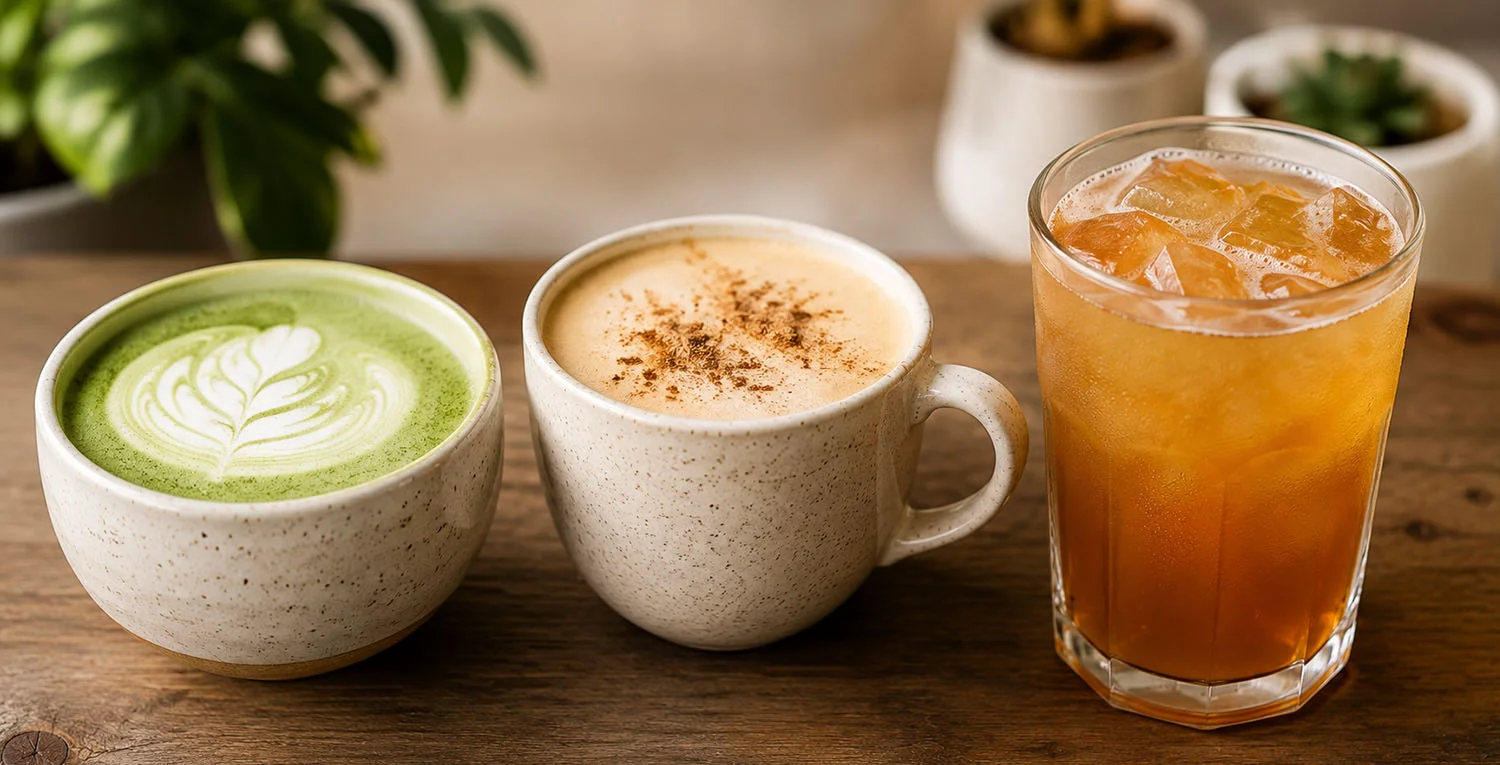
- The debate around matcha latte vs chai latte often comes down to caffeine, flavor, and health goals.
- Matcha offers steady energy and antioxidants. Chai delivers bold spice and warmth.
- Iced tea usually feels lighter and more refreshing, especially in warmer weather.
- People with sleep concerns, anxiety, or sleep apnea should pay attention to caffeine timing.
- A chai latte can contain less caffeine than matcha, but ingredients and preparation matter.
- Unsweetened tea options generally work better for long-term wellness goals.
- Choosing the right drink depends on your routine, tolerance, and lifestyle.
Matcha Latte vs Chai Latte vs Iced Tea: What Really Sets Them Apart?
The conversation around matcha latte vs chai latte has grown far beyond café trends. People now look at these drinks through a health lens, too. Energy levels, sleep quality, sugar intake, and caffeine crashes all play a role in the decision.
Then comes iced tea. It often sits quietly in the background, yet millions choose it daily for hydration and refreshment.
So which one actually fits your lifestyle better?
The answer depends on what your body needs. Some people want calm focus. Others crave comforting spices. Some simply need a lighter drink during a long day.
This guide breaks down the real differences between matcha lattes, chai lattes, and iced tea. We will look at caffeine, ingredients, taste, preparation, and how these drinks may affect sleep, energy, and overall wellness.
What Is a Matcha Latte?
A matcha latte combines powdered green tea with milk and sometimes a sweetener. Traditional Japanese matcha uses finely ground green tea leaves, which means you consume the whole leaf rather than just a brewed extract.
That changes the nutritional profile quite a bit.
What Matcha Contains
A standard matcha latte may include:
- Ceremonial or culinary grade matcha
- Steamed milk or plant milk
- Honey, syrup, or sugar
- Optional flavor additions like vanilla
Matcha naturally contains caffeine. However, it also contains L-theanine, an amino acid linked with calmer alertness.
Many people describe the energy as smoother compared to coffee.
What Is a Chai Latte?
A chai latte blends black tea with warming spices and milk. Traditional masala chai from South Asia uses spices like cardamom, cinnamon, ginger, cloves, and black pepper.
Modern café versions usually add a sweetener and steamed milk.
When discussing matcha latte vs chai latte, flavor becomes one of the biggest deciding factors.
Matcha tastes earthy and grassy. Chai tastes rich, spicy, and slightly sweet.
Common Chai Ingredients
Most chai lattes contain:
- Black tea
- Cinnamon
- Ginger
- Cardamom
- Cloves
- Milk
- Sweetener
The spice profile makes chai feel comforting, especially during colder months.
What Is Iced Tea?
Iced tea is brewed tea served cold, often over ice. It can use black tea, green tea, herbal tea, or fruit infusions.
Compared to latte-based drinks, iced tea usually feels lighter and less creamy.
Some versions contain a lot of sugar. Others remain completely unsweetened.
Types of Iced Tea
You may see:
- Black iced tea
- Green iced tea
- Lemon iced tea
- Peach iced tea
- Herbal iced tea
- Sweet tea
Unlike latte drinks, iced tea does not always include milk.
Matcha Latte vs Chai Latte: Caffeine Comparison
The caffeine discussion matters more than many people realize. Especially for people struggling with fatigue, poor sleep, or sleep apnea symptoms.
Matcha Usually Contains More Caffeine
In most cases, matcha contains more caffeine per serving than chai.
A typical comparison:
- Matcha latte: around 40 to 70 mg caffeine
- Chai latte: around 20 to 50 mg caffeine
- Iced black tea: around 25 to 50 mg caffeine
Preparation changes these numbers significantly.
Why Matcha Feels Different
People often compare coffee crashes to the steadier effect of matcha. That usually comes back to L-theanine.
L-theanine may help support:
- Calm focus
- Reduced jitteriness
- More stable alertness
This is one reason the matcha latte vs chai latte conversation has become popular among professionals and students.
Which Drink Is Better for Sleep Health?
This question matters for people with insomnia, fragmented sleep, or conditions like obstructive sleep apnea.
Caffeine timing can directly affect sleep quality, much like in the matcha vs coffee debate.
According to the Sleep Foundation, caffeine consumed later in the day may interfere with sleep onset and sleep depth.
Matcha and Sleep
Matcha contains moderate caffeine. Drinking it late in the evening may affect sensitive individuals.
Still, some people tolerate matcha better than coffee because of its slower-feeling stimulation.
Chai and Sleep
Chai often contains less caffeine than matcha. However, many commercial chai lattes contain a significant amount of sugar.
High sugar intake near bedtime can also disrupt sleep patterns in some people.
Iced Tea and Sleep
Unsweetened herbal iced teas may work well in the evening. Chamomile or peppermint iced teas usually contain no caffeine.
Black iced tea at night may still interfere with sleep.
Matcha vs Chai Latte: Flavor and Texture
The flavor difference feels dramatic.
Matcha Flavor Profile
When discussing matcha vs chai latte, matcha usually appeals to people who enjoy:
- Earthy notes
- Mild bitterness
- Creamy texture
- Green tea depth
Some first-time drinkers need time to adjust to matcha.
Chai Flavor Profile
Chai feels warmer and more aromatic.
It usually offers:
- Sweet spice
- Ginger heat
- Cinnamon richness
- Creamy body
Many café drinkers find chai easier to enjoy immediately.
Nutritional Differences
Not all versions are equally healthy.
A homemade drink differs greatly from a syrup-heavy café beverage.
Matcha Nutrition Highlights
Matcha contains catechins, especially EGCG, which researchers continue studying for antioxidant activity.
The Harvard T.H. Chan School of Public Health discusses how tea compounds may support overall wellness when consumed as part of a balanced lifestyle.
Chai Nutrition Highlights
Traditional chai spices may offer wellness benefits, too.
Ginger and cinnamon have long histories in culinary and wellness traditions.
Still, commercial chai lattes can become sugar-heavy quickly.
Iced Tea Nutrition Highlights
Unsweetened iced tea often remains the lightest option calorie-wise.
Bottled iced teas, though, can contain surprisingly high sugar amounts.
Always check labels carefully.
Matcha Latte vs Chai Latte for Energy
Energy feels different depending on the drink.
Matcha Energy
People often describe matcha as:
- Clean
- Focused
- Gradual
- Long-lasting
That makes it popular during work hours.
Chai Energy
Chai tends to feel:
- Cozy
- Moderate
- Comforting
The spice combination can feel mentally stimulating without being overwhelming.
The discussion around matcha latte vs chai latte often depends on whether someone wants a sharper focus or gentler warmth.
Which Drink Is Better for Professionals?
Professionals often choose beverages strategically now. Especially people working long shifts or cognitively demanding jobs.
Matcha for Focused Work
Some professionals prefer matcha because:
- It may feel less jittery
- It pairs well with morning routines
- It supports sustained concentration
Chai for Balanced Comfort
Others choose chai during meetings or slower afternoons because it feels soothing without the intensity of stronger caffeine drinks.
Iced Tea for Long Days
Iced tea often works best for hydration and lighter caffeine support.
Especially during warmer seasons.
Chai Latte vs Matcha Latte: Which Has More Sugar?
This depends heavily on preparation.
Café Versions Often Add Sugar
A large café chai latte may contain:
- Sweetened concentrates
- Syrups
- Added sugars
Some matcha lattes also contain sweetened powders.
Homemade Versions Give More Control
You can reduce sugar significantly by preparing drinks at home.
Simple changes help:
- Use unsweetened milk
- Skip syrups
- Add cinnamon naturally
- Use honey sparingly
Best Drink for Hot Weather
Temperature changes how people experience tea.
Iced Tea Wins for Refreshment
Iced tea usually feels most refreshing during summer.
Green iced tea and herbal infusions work especially well in hot climates.
Iced Matcha Options
Cold matcha lattes have become increasingly popular, too.
They offer a creamy texture while still feeling cooling.
Chai in Summer?
Some people still enjoy iced chai. Yet traditional chai often feels heavier because of the spices and milk.
Matcha Latte vs Chai Latte for Beginners
New tea drinkers often wonder where to start.
Matcha Has a Learning Curve
The grassy taste surprises some people initially.
Starting with lightly sweetened matcha can help.
Chai Feels More Familiar
Many beginners prefer chai because the spice profile feels comforting and approachable.
That is why the matcha latte vs chai latte debate often splits based on taste preference first, not nutrition.
Real-Life Situations: Which Drink Fits Best?
Choose Matcha If You:
- Need steady daytime focus
- Prefer earthy flavors
- Want antioxidant-rich tea
- Usually dislike coffee crashes
Choose Chai If You:
- Love warming spices
- Prefer moderate caffeine
- Want a cozy drink
- Enjoy creamy beverages
Choose Iced Tea If You:
- Need hydration
- Want lighter caffeine
- Prefer refreshing drinks
- Avoid heavy milk-based beverages
How Sleep Specialists View Caffeine Timing
Sleep specialists frequently advise patients to monitor caffeine intake carefully.
Especially people with:
- Sleep apnea
- Chronic fatigue
- Insomnia
- Restless sleep
Even moderate caffeine late in the day may reduce sleep quality.
The American Academy of Sleep Medicine recommends consistent sleep habits and awareness of stimulant intake.
That does not mean tea becomes off-limits. Timing simply matters.
Matcha vs Chai Latte: Which Is More Traditional?
Both drinks carry deep cultural histories.
Matcha Origins
Matcha comes from Japanese tea traditions and ceremonial preparation practices.
Chai Origins
Masala chai comes from South Asian tea culture and household spice traditions.
Modern café versions differ quite a bit from their traditional roots.
Still, both remain culturally significant beverages.
How to Make Healthier Versions at Home
Small changes improve these drinks substantially.
Better Matcha Latte Tips
- Use high-quality matcha powder
- Avoid sugary premixes
- Choose unsweetened milk
- Skip whipped toppings
Better Chai Latte Tips
- Brew real spices
- Use less syrup
- Control sweetener levels
- Choose lighter milk options
Better Iced Tea Tips
- Brew fresh tea
- Avoid bottled sugary versions
- Add lemon naturally
- Use fruit infusions for flavor
FAQs
Is matcha healthier than a chai latte?
It depends on preparation. Matcha contains strong antioxidant compounds, while chai includes beneficial spices. Sugar content often matters more than the base drink itself.
Which has more caffeine in the matcha latte vs chai latte comparison?
Matcha usually contains more caffeine than chai. However, serving size and preparation affect the final amount.
Can people with sleep apnea drink matcha or chai?
Many can, but caffeine timing matters. Drinking caffeinated beverages late in the day may worsen sleep quality for some individuals.
Is iced tea healthier than lattes?
Unsweetened iced tea often contains fewer calories and less sugar than latte-based drinks.
What tastes better, chai latte vs matcha latte?
Taste remains highly personal. Chai tastes spicy and sweet. Matcha tastes earthy and grassy.
Final Thoughts
The discussion around matcha latte vs chai latte is not about finding one perfect drink. Each option serves a different purpose.
Matcha supports calm focus and sustained energy. Chai brings warmth, spice, and comfort. Iced tea offers refreshment and flexibility.
The best choice depends on your routine, caffeine tolerance, sleep habits, and personal taste.
If you enjoy exploring authentic tea experiences, CupsnChai brings together rich chai culture, modern café favorites, and comforting tea moments in one place. Whether you prefer a bold masala chai, a creamy latte, or refreshing tea blends, CupsnChai celebrates the experience behind every cup.
