

Key Takeaways
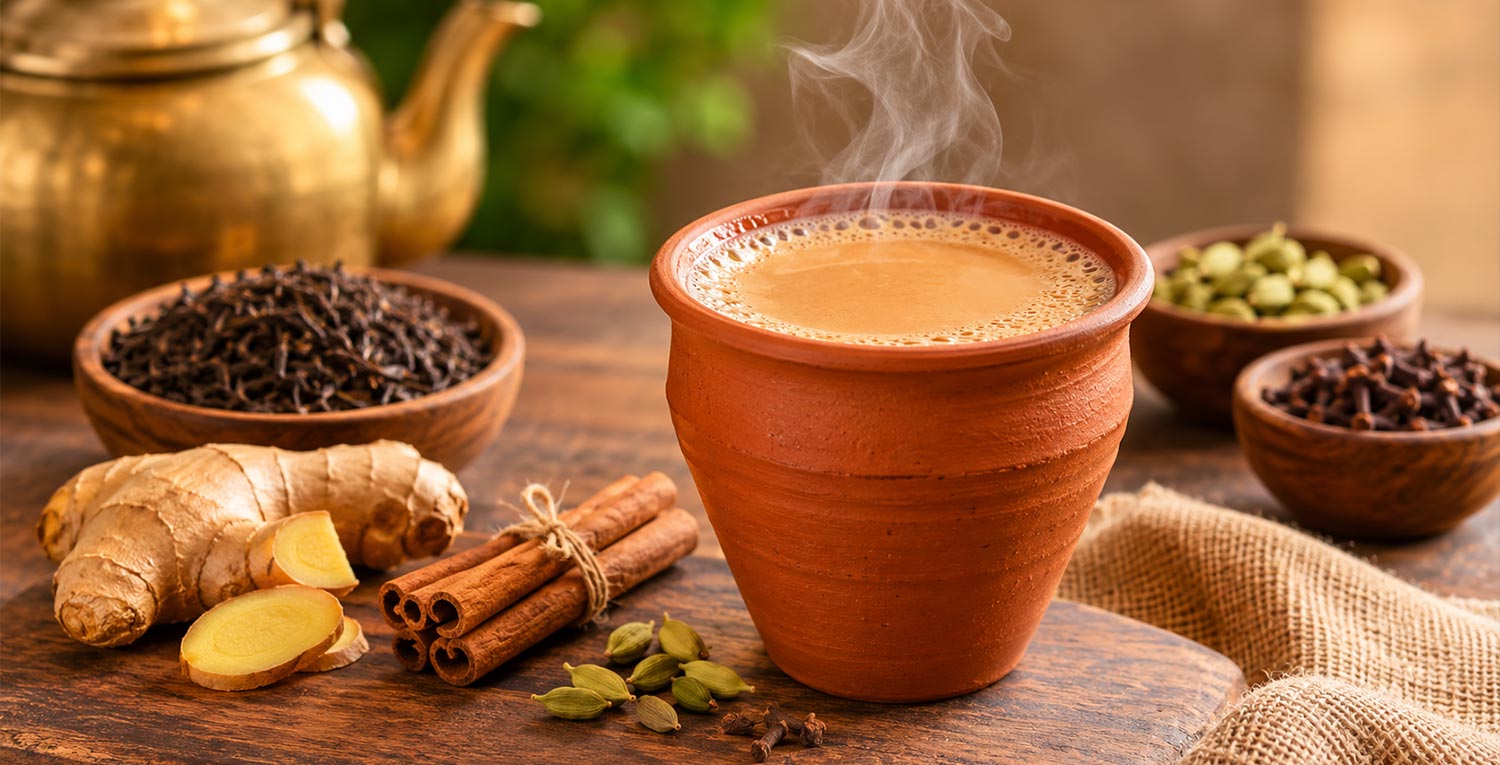
- Chai is black tea simmered with milk, sweetener, and spices.
- Regional varieties range from classic masala to rich doodh patti.
- Spices like ginger and cardamom support daily digestive wellness.
- Slower simmering yields a richer, more authentic spice flavor.
Quick Answer
Chai is a comforting South Asian staple steeped in culture and adaptation. Explore its history, compare caffeine levels against coffee, and learn the simple pot-simmering technique for brewing at home.
There’s a particular kind of comfort that comes from a hot cup of chai. Maybe it’s the smell of cardamom hitting the air, or the way the milk turns that warm amber color as it simmers.
Whatever it is, chai has a way of pulling people in, whether they grew up drinking it every morning or just discovered it last week at a local cafe.
So what is chai, exactly? At its simplest, it’s tea brewed with milk and spices, sweetened to taste. But that description barely scratches the surface. Chai is a ritual, a conversation starter, and for a lot of South Asian households, a daily anchor.
This guide to chai walks through what chai is made of, where it comes from, the different types you’ll come across, the benefits people talk about, and how to make chai at home without overthinking it.
What Is Chai Made Of?
Before getting into the variations, it helps to understand the basic building blocks. Chai isn’t complicated, but the balance between its ingredients is what separates a forgettable cup from a great one.
At its core, chai is built from four things:
- Base tea: Usually black tea, like Assam or CTC (crush, tear, curl), which gives chai its deep color and slight bitterness.
- Milk: Whole milk is traditional, though some people use less or substitute with alternatives.
- Spices: Cardamom, cinnamon, ginger, cloves, and black pepper are common, though every household has its own blend.
- Sweetener: Sugar is standard, though jaggery is used in some regions for a deeper, earthier sweetness.
This combination is really the chai tea meaning in a nutshell: tea, milk, and spice, brewed together rather than steeped separately.
That’s actually one of the biggest differences between chai and a plain cup of tea with milk on the side. The spices and tea leaves cook together, which is what gives chai that layered, almost creamy depth.
If you’ve ever wondered what chai is made of when you order it at a cafe versus at home, the honest answer is that it varies. Some places lean heavier on cardamom; others prefer more ginger for a spicier kick. There’s no single “correct” ratio, which is part of what makes chai so personal.
A Short History of Chai
Tea, in general, is a habit shared by much of the world. A 2026 study covering 185 countries estimated that adults worldwide consumed an average of 6.18 cups of tea per week in 2018, which says a lot about how deeply this drink is woven into daily life across cultures.
Chai’s story goes back centuries, with roots in South Asia long before it became the global drink it is today. Tea itself wasn’t originally part of the picture.
Early versions of what we’d now call chai were spiced milk drinks, often used more for their warming properties than as a beverage people casually sipped throughout the day.
Tea entered the equation more prominently during British colonial rule in India, when tea cultivation expanded rapidly. Over time, local vendors and households began blending tea with milk and traditional spices, and masala chai as we know it started taking shape.
From there, it spread across homes, train station stalls, and eventually kitchens around the world.
The history of chai is really a history of adaptation. Every region added its own twist, and that spirit of customization is still very much alive today.
Types of Chai You’ll Come Across
One of the more surprising things for people new to chai is just how many variations exist. It’s not one drink; it’s a whole family of drinks. Here’s a quick breakdown of the types of chai you’re most likely to run into.
| Type | What Makes It Different |
|---|---|
| Masala Chai | The classic version, tea brewed with milk and a spice blend of cardamom, cinnamon, ginger, and cloves |
| Karak Chai | A stronger, more concentrated brew popular in the Gulf region, often with condensed milk |
| Doodh Patti | Milk-forward chai where the tea is brewed almost entirely in milk instead of water |
| Dirty Chai | A chai latte with a shot of espresso added, blending two caffeine sources into one cup |
| Iced Chai | Chai brewed hot, then chilled and served over ice, often with milk added cold |

Finding the Right Brew for Your Mood
Masala chai tends to be the most familiar entry point for people, since it’s what most cafes serve by default. Karak, on the other hand, is bolder and less sweet in some versions, which makes it appealing to people who want something with more punch.
Doodh patti is a favorite in Pakistani households especially, and it’s noticeably richer since there’s little to no water involved.
Dirty chai has become popular more recently among people who want the comfort of chai but still need that extra caffeine boost. Iced chai, meanwhile, has grown as a warm-weather option, especially in the U.S. where cold drinks tend to dominate menus during summer.
Here’s a simple way to think about which type might fit your mood:
| If You Want… | Try This |
|---|---|
| A comforting, balanced classic | Masala Chai |
| Something bold and strong | Karak Chai |
| A rich, milky cup | Doodh Patti |
| An extra energy boost | Dirty Chai |
| A refreshing cold option | Iced Chai |
Is Chai Good for You? A Look at the Benefits
This is where it’s worth being honest rather than overselling things. Chai isn’t a cure-all, and it’s not meant to replace medical advice. But there are a few reasons people consistently point to when talking about chai benefits.
- Warmth and comfort: There’s something genuinely calming about the ritual of making and drinking chai, especially slowly.
- Spice-based properties: Ginger and cardamom are commonly associated with supporting digestion, though results vary from person to person.
- Moderate caffeine: Because chai typically uses less tea than a straight cup of black tea, the caffeine in chai tends to be gentler than coffee.
- Social value: Chai is often shared, which naturally builds moments of connection into the day.
Why the Spice Combination Matters More Than Any Single Ingredient
It’s worth mentioning that a lot of the appeal isn’t really about any single ingredient doing something dramatic. It’s more about the combination working together in a mild, everyday kind of way.
Ginger and black pepper, for instance, are often paired specifically because people find that mix easier on the stomach than either spice on its own.
Cardamom tends to get credit for freshening breath and settling things after a heavy meal, though again, this is more traditional wisdom than a guarantee.
What matters more, honestly, is consistency. A single cup isn’t going to change much, but chai as a regular part of someone’s routine tends to be less about any one benefit and more about the overall rhythm it adds to the day. That’s really the appeal for a lot of longtime chai drinkers.
The caffeine in chai usually falls somewhere between decaf and a full cup of coffee, depending on how strong it’s brewed. That middle ground is part of why so many people reach for chai in the afternoon without worrying about it affecting sleep later.
How to Make Chai at Home
Making chai at home is more approachable than people expect. It doesn’t require special equipment, just a pot, a strainer, and a bit of patience while it simmers.
Here’s a simple version of how to make chai:
- Boil water in a small pot with your spices of choice, crushed slightly to release their flavor.
- Add tea leaves and let them simmer for a few minutes so the color deepens.
- Pour in milk and bring the mixture back to a gentle boil, watching closely so it doesn’t overflow.
- Add sweetener to taste, stirring until it dissolves.
- Strain into cups, leaving the spices and tea leaves behind.

A Few Small Things That Make a Big Difference
A few small details tend to make a bigger difference than people expect. The heat matters more than the timing, since chai brewed too fast on high heat can taste flat, while a slower simmer lets the spices actually release their flavor into the milk.
Crushing the cardamom pods and ginger slightly before adding them, rather than tossing them in whole, also helps quite a bit.
And if the milk starts rising toward the edge of the pot, lowering the heat for a few seconds and letting it settle back down keeps it from boiling over, which is a common first-timer mistake.
The whole process usually takes under ten minutes once you’ve got your spice blend ready. Some people prep spice mixes in bulk so they’re not measuring everything out each morning, which is a small trick that saves a lot of time.
[link to full brewing guide here for exact ratios and spice measurements]
Chai vs Coffee (and Other Drinks)
People often ask how chai stacks up against coffee, especially if they’re trying to cut back on caffeine or just curious about the difference in experience.
| Factor | Chai | Coffee |
|---|---|---|
| Caffeine Level | Moderate | High |
| Flavor Profile | Warm, spiced, sweet | Bitter, roasted |
| Typical Additions | Milk, sugar, spices | Milk, sugar, sometimes flavored syrups |
| Cultural Ritual | Often shared, slow-paced | Often quick, on-the-go |
Coffee tends to hit faster and harder in terms of energy, while chai offers something more gradual. Neither is better; it really comes down to what someone’s looking for in the moment.
Here’s how caffeine content generally compares across a few common drinks:
| Drink | Approximate Caffeine (per 8 oz) |
|---|---|
| Masala Chai | 30-50 mg |
| Black Tea | 40-70 mg |
| Drip Coffee | 95-165 mg |
| Espresso Shot | 63 mg |
How CupsnChai Brings Authentic Chai to You
We noticed early on that a lot of chai served outside South Asian households tends to lose something in translation. It gets sweeter, more diluted, or made from powdered mixes instead of real tea, milk, and spice. That’s not the chai we grew up with, and it’s not the chai we wanted to serve.
At CupsnChai in Canton, MI, and Ann Arbor, MI, we brew our chai the way it’s meant to be made, slowly, with real spices and attention to the balance that makes each cup feel right. We provide a full menu of chai styles alongside other South Asian favorites, so whether you’re craving a classic masala chai or something a bit different, there’s a cup for you.
If you’re planning an event or just want chai for a gathering, our catering options make it easy to bring that same experience to your table.
Frequently Asked Questions
What is the difference between chai and regular black tea?
Chai is black tea simmered directly with milk, sweetener, and aromatic spices, whereas regular black tea is steeped in hot water with optional milk added after.
What spices are traditionally used to make authentic masala chai?
Authentic masala chai relies on a fragrant blend of crushed green cardamom, fresh ginger, cinnamon sticks, cloves, and black pepper simmered with black tea leaves.
How much caffeine is in a cup of traditional masala chai?
A standard 8-ounce cup of brewed masala chai contains roughly 30 to 50 milligrams of caffeine, providing a gentler energy boost than drip coffee.
What are the main health benefits of drinking spiced chai daily?
Chai contains digestive-friendly spices like ginger and cardamom, offers gentle caffeine for calm focus, and provides soothing comfort that supports everyday wellness routines.
Where can you get authentic South Asian chai in Michigan?
CupsnChai serves authentic, slowly simmered chai made with real spices and traditional recipes at its locations in Canton, MI, and Ann Arbor, MI.
Conclusion
Chai is simple in concept but rich in variation, and that’s exactly why it’s stayed relevant across generations and borders. Whether you’re drawn to the history, curious about trying a new type, or just want to learn how to make chai properly at home, there’s always more to explore in this guide to chai and beyond.
At the end of the day, chai isn’t really about getting the recipe exact or memorizing every regional variation.
It’s about the tea brewed with milk and spices coming together in a way that feels warm and familiar, whether that’s a quiet morning cup or one shared with someone else. Some people spend years tweaking their spice blend, and others just want a good cup without the fuss, and both approaches are perfectly valid.
