

Key Takeaways
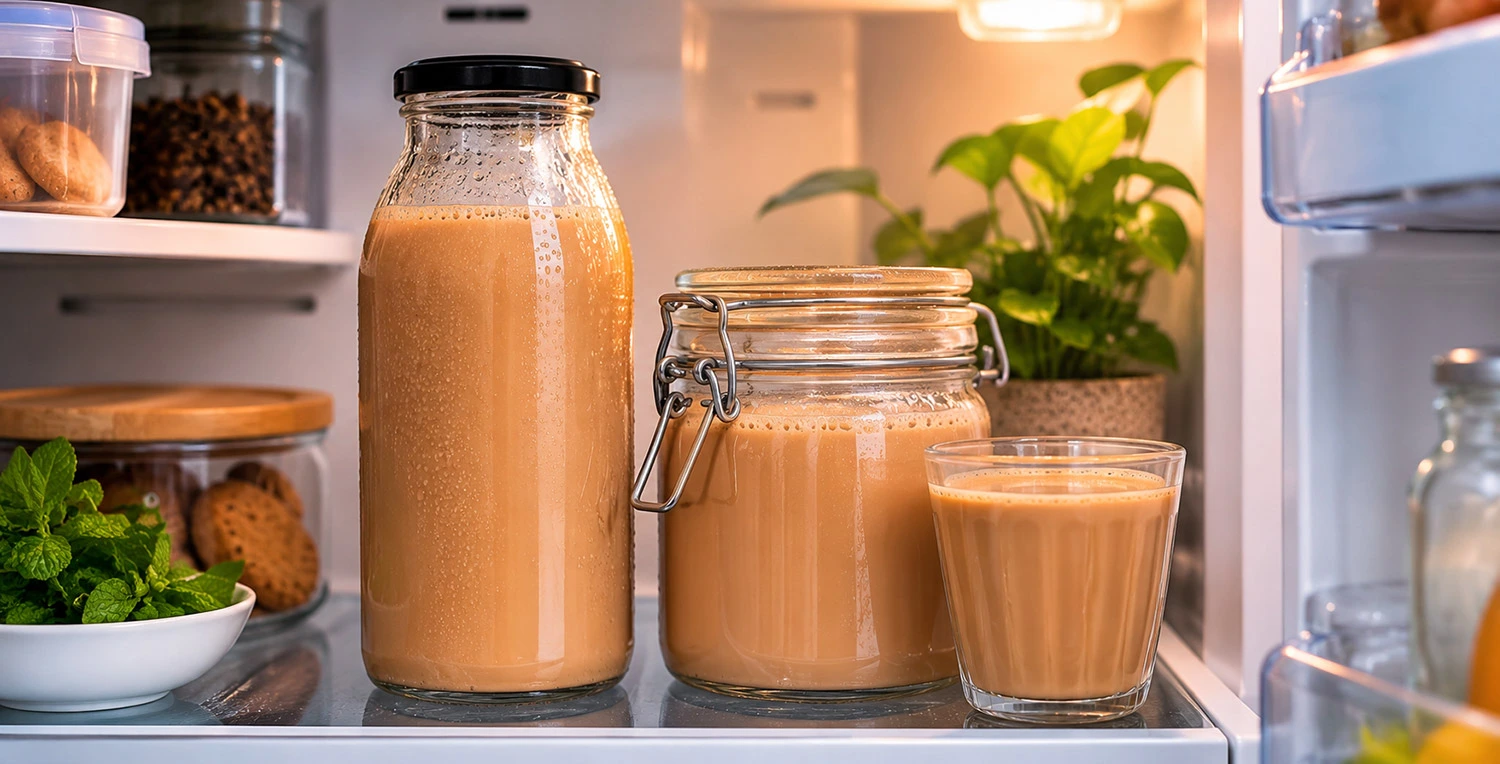
- Always store tea in a clean, airtight glass container and refrigerate it within two hours of brewing.
- If your tea develops a sour smell, mold, cloudiness, or an unusual taste, it’s time to discard it.
- Plain brewed tea typically stays fresh in the refrigerator for 3–5 days when stored in an airtight container.
- Milk tea has the shortest lifespan and should be consumed within 1–2 days due to its dairy content.
- When you’re unsure how long does tea last in the fridge, it’s always safer to throw it out than risk drinking spoiled tea.
Introduction
There is nothing quite like opening the refrigerator on a warm afternoon to find a cold, refreshing pitcher of tea waiting for you. Whether you brewed a batch of classic iced tea over the weekend, ordered an extra milk tea with your takeout, or carefully prepared a vibrant herbal blend, having cold tea on hand is one of life’s simple pleasures. However, as you reach for that pitcher, a nagging question might cross your mind: how long does tea last in the fridge?
Unlike store-bought sodas filled with artificial preservatives, real tea is an organic, delicate beverage. Once leaves or flowers meet hot water, a natural countdown begins. Leaving it in the refrigerator keeps it crisp and delays spoiling, but it doesn’t preserve it forever. To help you enjoy your chilled brews safely without compromising on flavor, let’s explore exactly how long does tea last in the fridge, broken down by type, sweetener, and preparation style.
Also read: The Rich History of Chai Tea
The Baseline Rule: How Long Does Tea Last in the Fridge?
If you are looking for a quick, general rule of thumb, most plain, un-sweetened teas will retain their best quality for about 3 to 5 days when stored properly. Knowing precisely how long does tea last in the fridge helps prevent you from drinking a beverage that has lost its chemical stability or worse, begun to breed invisible bacteria.
The moment tea is brewed, organic compounds called polyphenols begin to oxidize and break down. While the cool environment of a refrigerator slows this oxidation process down significantly, it cannot stop it entirely. After the 5-day mark, even if the tea does not look or smell bad, it will likely taste flat, slightly bitter, or unpleasantly stale.
For the ultimate freshness and safety, consuming your refrigerated tea within the first 48 to 72 hours is highly recommended.
The Impact of Ingredients: Sweeteners, Milk, and Blends
The 3-to-5-day window applies directly to plain varieties, but the timeline shifts dramatically depending on what you add to your brew. Sugar, honey, dairy, and fruits change the chemical environment of the liquid, serving either as short-term preservation agents or accelerators for spoilage.
The Sugar Factor: How Long Does Sweet Tea Last in the Fridge?
Sweet tea is a beloved staple across many households, but sugar changes the storage rules. If you are wondering how long does sweet tea last in the fridge, the answer is usually closer to 2 to 3 days. While large amounts of sugar can act as a preservative in products like jams, the moderate amount of sugar dissolved in a pitcher of tea provides an ideal feeding ground for wild yeasts and bacteria.
When asking yourself how long does sweet tea last in the fridge, look for early signs of fermentation. If your sweet tea has been sitting for four or five days, it may start to develop a faint sour smell, tiny surface bubbles, or a slightly fizzy mouthfeel. This means yeast is actively consuming the sugars, and the batch should be discarded immediately.
The Green Tea Timeline: How Long Does Green Tea Last in the Fridge?
Green tea is famous for its minimal processing, vibrant grassy notes, and high concentration of delicate antioxidants. Because it is less oxidized during production than black tea, it is also much more sensitive to environmental changes. When considering how long does green tea last in the fridge, you should aim to drink it within 24 to 48 hours.
While asking how long does green tea last in the fridge, keep an eye on its color. Freshly brewed green tea has a beautiful, clear green or pale yellowish hue. After a day or two in the fridge, exposure to oxygen turns the liquid a dull, muddy brown color. While it may still be safe to drink at day three, the bright flavor profile and health benefits degrade much faster than darker black teas.
How Long Does Milk Tea Last in the Fridge?
Whether you love a classic British afternoon tea style or a modern bubble tea with tapioca pearls, milk changes everything. So, how long does milk tea last in the fridge? Because dairy and plant-based milks spoil very quickly, milk tea should only be kept in the fridge for 24 hours, or up to 2 days maximum if it contains no fresh tapioca pearls.
When assessing how long does milk tea last in the fridge, remember that dairy is highly susceptible to bacterial growth. If your milk tea contains tapioca boba, the texture will ruin long before the milk goes bad; pearls turn unpleasantly slimy, hard, and chalky within just a few hours of refrigeration.
How Long Does Hibiscus Tea Last in the Fridge?
On the brighter side of the spectrum, tart, vibrant herbal infusions hold up remarkably well. If you love a refreshing ruby-red glass, you will be happy to know that when answering how long does hibiscus tea last in the fridge, it safely leads the pack at 5 to 7 days.
Why does it last longer? Hibiscus flowers contain high natural concentrations of citric and malic acids. This natural acidity creates a slightly lower pH level in the liquid, making it a much less hospitable environment for bacteria. When verifying how long does hibiscus tea last in the fridge, ensure it is kept in an airtight container, so it doesn’t absorb the aromas of nearby leftovers, allowing you to enjoy its crisp, cranberry-like tartness all week long.
| Type of Tea Variety | Recommended Fridge Life | Primary Reason for Discarding |
|---|---|---|
| Plain Brewed Black Tea | 3 – 5 Days | Loss of flavor, oxidation, staleness |
| Sweetened Chilled Tea | 2 – 3 Days | Fermentation, bacterial growth from sugar |
| Delicate Green Tea Varieties | 1 – 2 Days | Rapid oxidation, browning, bitter taste |
| Creamy Milk Tea Blend | 24 – 48 Hours | Dairy spoilage, texture degradation |
| Tart Hibiscus / Herbal Infusions | 5 – 7 Days | Eventual mold or mold spores |
Homemade Infusions vs. Brand Name Favorites
The source of your tea also plays a massive role in its shelf life. Home-brewed methods vary quite heavily from processed, commercially manufactured bottles due to differences in sterilization and additives.
How Long Does Homemade Iced Tea Last in the Fridge?
Brewing your own drinks allows you to control the quality of leaves and water perfectly. But exactly how long does homemade iced tea last in the fridge? Because home kitchens are not sterile laboratories, homemade batches generally stay fresh for 3 to 4 days.
Cold-brewed tea (steeping leaves in cold water over 12 hours) often stays fresh slightly longer than hot-brewed tea that was cooled down. Hot brewing extracts more proteins and tannins, which can clump together when chilled, creating a harmless but unappealing cloudy appearance. No matter the method, keep your homemade jugs sealed tightly.
How Long Does Lipton Iced Tea Last in the Fridge?
Many of us turn to trusted commercial brands for convenience. If you have opened a large multi-serve bottle or prepared a pitcher using specific family-size bags, you might wonder how long does Lipton iced tea last in the fridge. Once opened, a store-bought manufactured bottle will stay fresh for about 5 to 7 days.
How Long Does Brewed Tea Last in the Fridge?
Tea leaves naturally harbor trace amounts of environmental bacterial and fungal spores. While the boiling water used during hot brewing kills off most active microorganisms, it does not always destroy every single resilient spore.
How to Tell If Your Tea Has Gone Bad?
Since bacteria can grow quietly without instantly changing the liquid’s color, you must use all your senses to evaluate your drinks before pouring a glass. Check for these distinct warning signs:
- The Scent Test: Fresh tea should smell bright, earthy, floral, or sweet. If you open the container and catch a whiff of something sour, vinegary, alcohol-like, or musty, pour it down the drain immediately.
- The Visual Inspection: Look closely at the surface of the liquid under good lighting. Do you see a thin, oily sheen, floating white particles, or tiny patches of fuzzy mold? Is there a thick, ropey sediment at the very bottom? These are clear indicators of microbial growth.
- Taste and Texture: If the tea passes the sight and smell tests but tastes surprisingly sour, carbonated, tangy, or slimy on your tongue, do not swallow it. Your palate highly evolved to detect spoilage.
Pro Tips to Extend the Shelf Life of Chilled Tea
If you want to stretch your timeline to the absolute maximum safe limit, follow these best practices for storing your favorite beverages:
- Use Glass Containers: Glass is completely non-porous and does not absorb flavors, oils, or bacteria like plastic containers do. It is also significantly easier to thoroughly clean and sanitize between batches.
- Seal It Completely: Never leave an open pitcher in the fridge. Tea acts like a natural sponge for odors. An unsealed container will absorb the scent of chopped onions, garlic, or leftovers, ruining the taste profile.
- Add Sweeteners Right Before Drinking: To extend the life of your sweet tea mixes, keep your large storage pitcher completely plain. Pour yourself a single glass of unsweetened cold tea and stir in your sugar, honey, or simple syrup fresh on the spot.
- Keep the Temperature Low: Store your pitchers in the main body or back of the refrigerator where the temperature remains consistently at or below 40°F (4°C). Avoid storing delicate drinks in the refrigerator door shelves, which experience frequent temperature spikes every single time the door is opened.
Final Thoughts
Chilled tea is a wonderful, healthy drink option to have ready to go in your kitchen. By understanding exactly how long does tea last in the fridge, you can confidently prepare your favorite recipes ahead of time without any safety concerns. Remember to give special care to delicate green varieties, treat sweetened mixtures and milk additions with extra caution, and trust your senses when a pitcher has spent a few too many days in the cold. Keep your containers clean, seal them tightly, and enjoy every single refreshing, crisp sip! At CupsNChai, we believe great tea starts with knowing how to store it right, so you can savor every cup with confidence.
Frequently Asked Questions
Can I drink tea after seven days in the fridge?
It’s not recommended. Even if it looks fine, bacteria may have grown. Always prioritize safety over avoiding waste.
Does adding lemon make tea last longer?
Fresh lemon can reduce the shelf life because it introduces natural microorganisms.
Why does refrigerated tea become cloudy?
Cloudiness is usually caused by caffeine and tannins reacting to cold temperatures. It’s harmless unless accompanied by an off smell or mold.
Can I reheat refrigerated tea?
Provided it’s still within its safe storage period and hasn’t spoiled.
Should tea be stored in plastic or glass?
Glass containers are generally better because they don’t absorb odors or stain as easily as plastic.
