

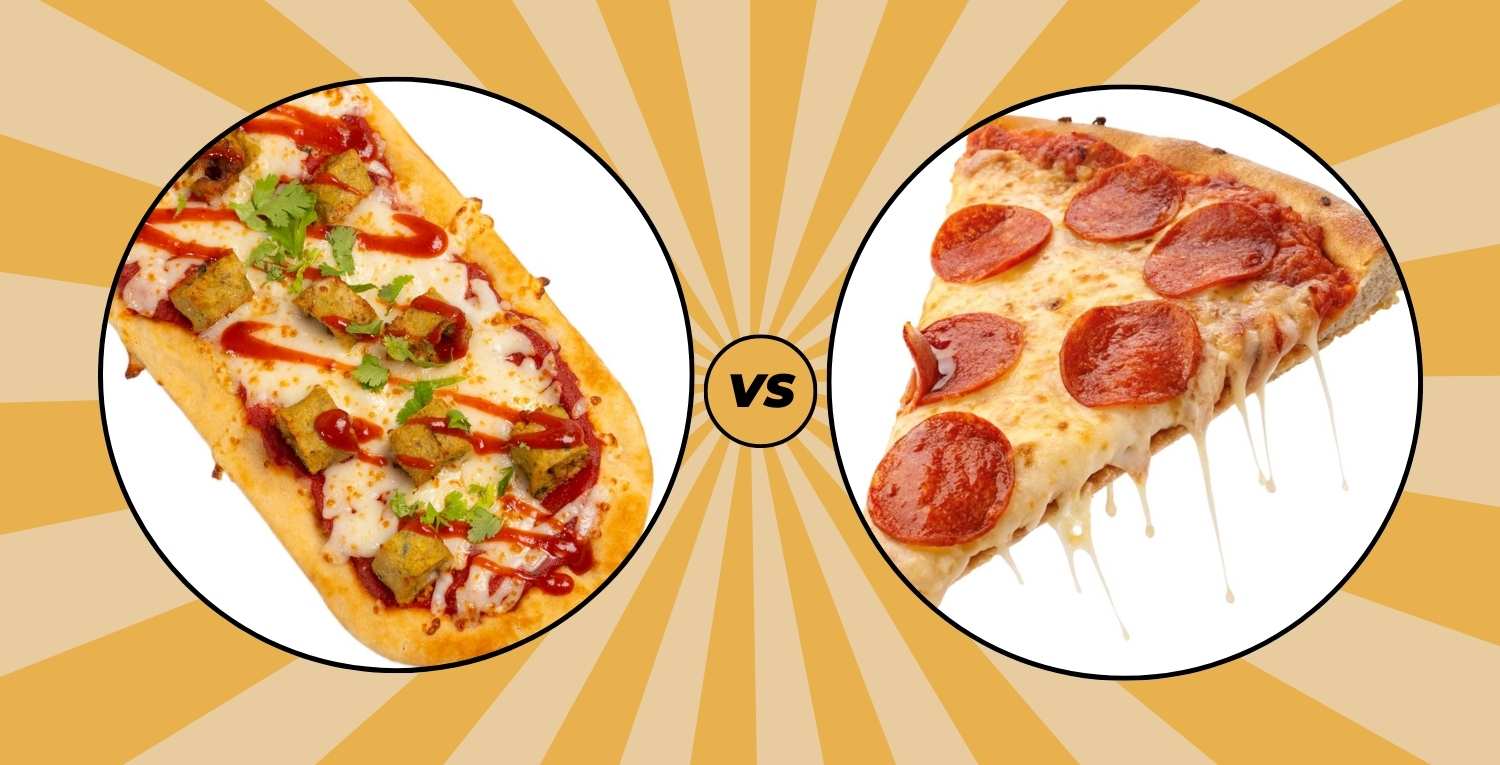
“The basic difference between flatbread and pizza is that flatbread is typically thinner, often unleavened or lightly leavened, and topped more simply, while pizza uses yeast-leavened dough, sauce, cheese, and structured toppings for a heartier bite.”
Pizza has long held its place as one of the most beloved foods across the globe, but what exactly fuels its enduring popularity? It’s the appeal of its incredible versatility. Pizza can be served as a quick snack, a full meal, or the centerpiece of a social gathering. It’s easy to customize, simple to share, and universally satisfying.
In recent years, however, flatbreads have begun getting their own spotlight on restaurant menus worldwide. Because of their visual and structural similarities to pizza, flatbreads are often compared to the classic favorite. So, when it comes to flatbread vs pizza, what truly sets them apart? Let’s break it down.
Key Takeaways:
- The biggest difference between flatbread and pizza lies in the dough, yeasted and risen versus thin and typically unleavened.
- Pizza crust is airy and chewy; flatbread crust is thin and crispy.
- Pizza uses structured layering of sauce, cheese, and toppings, while flatbread often features lighter, more minimalist combinations.
- Cheese is essential for pizza but optional for flatbread.
- Pizza is usually round and sliced into triangles; flatbread is often rectangular or oval and may remain uncut.
- Flatbread feels lighter and café-friendly; pizza feels hearty and indulgent.
What Is Flatbread?
Flatbread is one of the oldest forms of bread in culinary history. Traditionally made with flour, water, and salt, flatbread often contains little to no yeast. Without significant leavening, the dough does not rise much during baking, which results in its signature thin profile. Flatbread is generally thin and crisp, sometimes with slightly bubbled edges. Because it lacks heavy fermentation, it produces a crunchier bite rather than a chewy one.
The texture is often described as cracker-like on the edges with a light snap when broken. Flatbread is typically baked at high temperatures for a short period of time. It can be cooked in traditional ovens, wood-fired ovens, or even on stovetops. However, if we do flatbread vs pizza comparison, flatbread often feels lighter and has less heavy dough. Thus, it serves as a base for creative and unique flatbread toppings, from gourmet vegetables to bold sauces.
What Is Pizza?
Pizza, as most people know it today, originated in Italy and evolved into a globally celebrated dish. The defining element of pizza is its yeast-leavened dough. Classic pizza consists of three foundational layers, dough, sauce, and cheese. After these core elements, the toppings such as meats, vegetables, herbs, and spices are added. The most important part of pizza is fermentation. Yeast allows the dough to rise, creating air pockets that give the dough a soft, chewy interior. When baked, the crust develops a crisp outer layer while maintaining a tender center.
Pizza dough is designed to hold heavier toppings and provide a satisfying chew. Meanwhile, flatbread dough is thinner and less structured than other doughs. When discussing flatbread and pizza, pizza is generally more filling and indulgent due to its thicker base and generous cheese coverage.
What Is the Difference Between Flatbread and Pizza?
At first glance, flatbread and pizza might look quite similar, but the differences become clear when you consider their dough, toppings, cooking methods, and overall presentation.
Let’s break down what truly sets these two apart.
Flatbread vs Pizza: Ingredient Comparison
Although flatbreads and pizzas share many of the same basic ingredients, dough, sauce, cheese, and toppings, the way those ingredients are used creates two distinct results. The structure, layering, and proportions all contribute to the overall difference between flatbreads and pizzas.
Dough Differences
The dough is the most important factor in the flatbread vs pizza comparison. It determines texture, thickness, and how well the base holds toppings.
- Yeast Levels and Rise: Pizza dough contains yeast, which helps it rise during fermentation. This process creates air pockets and gives the crust more volume. While flatbread usually contains little to no yeast, it stays thin and does not rise much while baking.
- Texture and Chew: Because of fermentation, pizza crust is soft inside with a chewy bite. It has elasticity and can bend without breaking. While flatbread crust is thinner and crispier. It has less chew and more crunch.
Sauce and Topping Approach
Another noticeable distinction in flatbread and pizza is how toppings are layered and balanced.
- Light Layering vs Structured Builds: Pizza follows a structured build, sauce first, then cheese, then toppings. The layers melt together during baking to create a cohesive bite. Flatbread uses lighter layering. Sauces may be brushed or drizzled, and toppings are added sparingly to keep the crust crisp.
- Flavor Balance: Pizza focuses on rich, blended flavors where cheese ties everything together. Flatbread often highlights individual ingredients, allowing fresh toppings or specialty sauces to stand out.
Cheese Usage
Cheese plays different roles in flatbreads and pizzas. Cheese is essential to traditional pizza and defines much of its flavor and texture. Flatbread can include cheese, but it is not always necessary. Some versions rely on olive oil, herbs, or light sauces instead. However, in Michigan, cheese pizza remains one of the most requested classics, especially for quick pickups.
Pizza cheese is usually applied generously, melting evenly and creating a stretchy texture. Flatbread may use smaller amounts of cheese, often sprinkled or crumbled rather than fully covering the surface.
Ready to Try Something?
Enjoy something lighter, crispier, and packed with bold flavors. Order a flatbread today and taste the delicious difference!
Flatbread vs Pizza: Cooking Method & Texture
Cooking style also influences the difference between flatbread and pizza, following are some methods and textures you should look for:
- Oven Temperature Differences: Pizza is often baked at very high temperatures to create a crisp exterior and soft interior. Flatbread is also baked hot but for a shorter time because it is thinner.
- Crispness, Softness, and Bite: Pizza offers a mix of crisp edges and a soft, chewy center. Flatbread is typically crisp throughout, giving it a lighter bite.
- Cook Time Changes the Result: Pizza benefits from longer fermentation and baking, which adds depth and structure. Flatbread’s shorter cooking time keeps it simple and crunchy. These differences shape the overall flatbread and pizza experience.
Nutritional and Portion Differences
Serving size and calorie density also highlight the difference between flatbread and pizza.
- Calorie Density: Pizza generally contains more dough and cheese, making it more calorie dense. However, decoding a pizza’s calorie is crucial if you’re looking for a light serving. Therefore, if you are considering flatbread, its thinner crust often makes it lighter per serving.
- Portion Size Expectations: Pizza is usually shared and served in slices. Flatbread is often served as an individual portion.
- Customization for Lighter Meals: Flatbread is commonly chosen as a lighter lunch option. Pizza is more often associated with indulgent meals and gatherings. This distinction influences many flatbread vs pizza decisions. Like panini sandwiches and other comfort-style bites, pizza carries that familiar, cozy appeal people crave.
What About the Shape Difference?
Shape also separates flatbread and pizza visually and practically. Flatbread is typically rectangular or oval. It may appear rustic and is sometimes served uncut. Pizza is traditionally round and sliced into triangles, making it easy to share.
What Is the “Vibe” Factor When Choosing Between Flatbread and Pizza?
Beyond the ingredients, flatbread and pizza also differ in mood and setting.
Flatbread feels lighter and more modern. It’s common in cafés and casual dining spots, often presented in an artisanal style.
Pizza feels hearty and comfortable. It’s the go-to choice for parties, family dinners, and relaxed gatherings.
In the end, while they share similar ingredients, the difference between flatbread and pizza becomes clear in texture, preparation, portion size, and overall experience.
Final Thoughts
When it comes to flatbread vs pizza, the choice isn’t about which one wins; it’s about what you’re craving in the moment. If you’re in the mood for something hearty, cheesy, and indulgent, pizza delivers that familiar comfort in every slice. But if you’re leaning toward something crisp, lighter, and a little more refined, flatbread offers bold flavors and creative combinations that feel just as satisfying.
Looking to add an extra kick? Drizzle on our house-made chilli oil or top it off with pickled jalapeños for a burst of heat. And to complete the experience, pair your flatbread or pizza with one of CupsnChai’s signature chai blends, a refreshing mocktail, or a chilled iced tea. The right sip makes every bite even better. So, whether you’re catching up with friends, enjoying a cozy café moment, or grabbing a quick bite between errands, stop by CupsnChai and discover your new favorite.
