


When you’re trying to eat healthier, yet still crave something flavorful and satisfying, a chicken wrap (also known as Kati Roll) often seems like the perfect compromise. It’s handheld, customizable, and usually lighter than a burger or a plate of pasta. But how many calories in a chicken wrap depends on far more than just the chicken itself. The wrap style, cooking method, fillings, sauces, and portion size can shift the calorie count dramatically. Consequently, understanding what goes into your wrap can help you make smarter, more balanced choices without sacrificing taste.
In this comprehensive guide, we’ll walk through the calorie content of several popular chicken wrap varieties. Including grilled, crispy, and sauced- while also examining the hidden ingredients that can drive the nutritional value up or down. Along the way, we’ll also look at how toppings, dressings, and wrap type influence the final number. So, let’s dive in and break down the details behind chicken wrap calories, step by step.
Key Takeaways:
- The chicken wrap calorie count varies widely, mostly due to tortilla size, chicken preparation, sauces, and extras.
- Grilled chicken wraps are the lowest calorie option, typically landing between 350–550 calories.
- Crispy chicken, heavy sauces, and cheese can quickly push a wrap into the 600–900+ calorie range.
- Choosing smaller tortillas, lean protein, light sauces, and plenty of veggies keeps wrap flavorful but lighter.
Why Chicken Wraps Vary So Much in Calories
Even though chicken itself is considered a lean protein source, chicken wraps can range anywhere from modest light to shockingly indulgent. The calorie range is wide because each wrap contains multiple components. Which includes tortillas, chicken preparation, vegetables, cheese, sauces, and sometimes even rice or fried add-ons.
With that in mind, let’s explore what influences calories in chicken wrap variations:
1. The Tortilla Makes a Big Difference
Surprisingly, the wrap itself can sometimes contribute more calories than chicken.
- White flour tortillas (large, burrito-style): 220–300 calories
- Whole-wheat tortillas (large): 180–250 calories
- Spinach, tomato, or flavored tortillas: Typically, 200–290 calories
- Smaller tortillas: 100–150 calories
Since a wrap must be sturdy enough to hold fillings, restaurants often use oversized tortillas, instantly adding a significant caloric base. Even if you choose grilled chicken and skip the sauce, the tortilla alone may already account for one-third of the total calories.
2. Cooking Method of the Chicken
Naturally, grilled chicken is the leanest option, while crispy or fried versions contain far more calories.
- Grilled chicken (3–4 oz): 120–180 calories
- Crispy/fried chicken (3–4 oz): 220–350 calories
Oil absorption during frying increases calorie density. Additionally, breading adds carbohydrates and fat, making crispy wraps a much heavier choice. Although crispy chicken is undeniably delicious, it dramatically raises the calorie count of the overall wrap.
3. Sauces and Dressings Can Double the Calories
Even when you choose lean protein and lots of vegetables, sauces can significantly impact the total.
Here’s the average calorie content for common dressing amounts (2 tablespoons):
- Ranch: 140–160 calories
- Chipotle mayo: 120–150 calories
- Caesar dressing: 160–180 calories
- Honey mustard: 100–120 calories
- Low-fat dressings: 40–70 calories
Because wraps often contain more than two tablespoons, especially if the restaurant coats the chicken and then adds more sauce. As a result of which you can unknowingly add hundreds of calories with dressings alone.
4. Cheese and Extras Add Up Fast
While toppings like lettuce, tomatoes, and cucumbers contribute minimal calories, cheese and extras tell a different story.
- Cheddar or Monterey Jack (1/4 cup): 110–150 calories
- Avocado (half): 120 calories
When combined with fried chicken and high-calorie sauce, these extras quickly push a wrap into meal sizes that rival fast-food burgers.
Hungry for a Flavorful Wrap?
Check out our wraps menu, packed with bold flavors and fresh ingredients you’ll love.
Calorie Breakdown by Chicken Wrap Type
Now that we’ve looked at the factors that influence calorie count, let’s break it down by the most common wrap styles you’ll encounter.
Grilled Chicken Wrap: The Lightest Choice
If you’re aiming for something relatively healthy, a grilled chicken wrap is your best bet. Thanks to the cooking method, it contains fewer calories and less fat than its fried alternative. However, the calorie count can still vary depending on how generous the fillings are.
Typical Calorie Range: 350–550 calories
Example Breakdown
- Tortilla: 200 calories
- Grilled chicken: 150 calories
- Veggies: 20–40 calories
- Light dressing: 50–80 calories

Tips to Keep Grilled Wraps Lower in Calories
- Request a whole wheat or smaller tortilla.
- Ask for dressings on the side.
- Load up on vegetables instead of cheese.
By making these simple adjustments, you can create a filling meal without going overboard on calories.
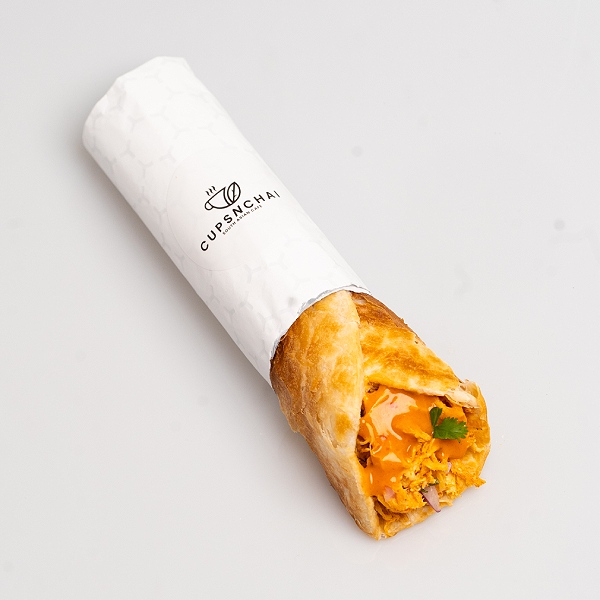
Crispy Chicken Wrap: Crunchy But Calorie-Heavy
Crispy chicken wraps are extremely popular because of their satisfying crunch and bold flavor. Unfortunately, frying drastically increases calorie density. The tortilla stays the same, but the protein portion is much heavier.
Typical Calorie Range: 550–900 calories
Example Breakdown
- Tortilla: 220 calories
- Crispy chicken: 300 calories
- Cheese: 120 calories
- Ranch or Chipotle Mayo: 150–250 calories
As you can see, it’s easy for this wrap to inch toward 900 calories or even exceed that if the portion size is large.
How to Reduce the Calorie Load
- Swap ranch for vinaigrette or light dressing.
- Skip cheese or choose a smaller amount.
- Ask for a half-portion of crispy chicken.
Even small changes can prevent this wrap from becoming an unexpectedly high-calorie meal.
Sauced Chicken Wrap: Flavorful But Potentially Sneaky
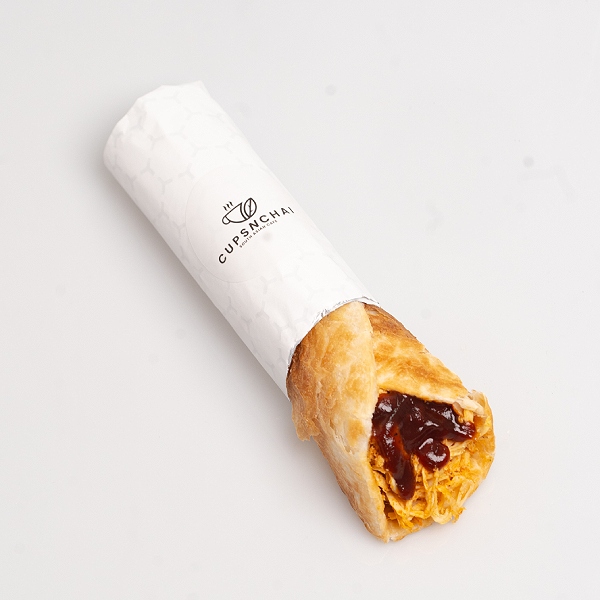
Sauced wraps, such as buffalo chicken, BBQ chicken, or chipotle chicken are extremely tasty. However, the sauces often contain sugar, butter, or oil, which increases the calorie count.
Typical Calorie Range: 500–850 calories
Example Breakdown (Buffalo Wrap)
- Tortilla: 200–250 calories
- Grilled chicken: 150 calories (or 250–300 if crispy)
- Buffalo sauce: 80–120 calories
- Blue cheese or ranch: 150–200 calories
Smart Ordering Tips
- Choose grilled chicken instead of crispy.
- Request a light sauce application.
- Opt. for yogurt-based dressing when available.
These tweaks make it easier to enjoy the bold flavors without dramatically increasing your calorie intake.
How Portion Size Affects Chicken Wrap Calories
Although we often talk about cooking methods and ingredients, portion size dramatically influences the calorie count as well.
Restaurant Wraps vs. Homemade Wraps
- Restaurant wraps are large, often 10–12 inches and packed with ingredients. Many can weigh nearly a pound once filled.
- Homemade wraps allow for much more control. You can use smaller tortillas, leaner proteins, lighter sauces, and more vegetables.
Therefore, even if two wraps contain similar ingredients, the restaurant version may include almost double the fillings. Hence, resulting in a far higher calorie count.
Double-Stuffed or Extra-Chicken Options
Many restaurant chains offer “double chicken” for an added price. While this increases protein, it also raises calories by another 150–300 depending on whether the chicken is grilled or fried. Always consider whether you truly need the extra portion, when you’re opting for your choice of comfort food.
Building a Healthier Chicken Wrap: A Quick Template
Here’s a simple guide for constructing a balanced, lower calorie wrap at home:
- Tortilla: Choose a 6-8 inch whole-wheat wrap (100–150 calories).
- Protein: 3–4 ounces of grilled chicken (130–150 calories).
- Veggies: Lettuce, tomatoes, cucumbers, bell peppers (20–30 calories).
- Sauce: 1 tablespoon light dressing or Greek yogurt (30–50 calories).
- Extras: A sprinkle of cheese if desired (50–70 calories).
Following this template, your entire wrap can land around 300–450 calories. All in all, making it an excellent option for balanced eating.
Final Thoughts: Choosing the Right Wrap for Your Goals
Ultimately, understanding how many calories in a chicken wrap comes down to the tortilla size, chicken preparation, sauces, toppings, and serving proportions. While grilled chicken wraps are generally the lightest, crispy and sauced varieties can climb into high-calorie territory quickly. Fortunately, by being mindful of ingredients and making thoughtful adjustments, you can still enjoy a delicious wrap without compromising your nutritional goals.
If you want a flavorful wrap without the guesswork, you’ll find some of the best wraps in Ann Arbor at local cafes/restaurants. The best part is that they focus on fresh ingredients and customizable options.
