

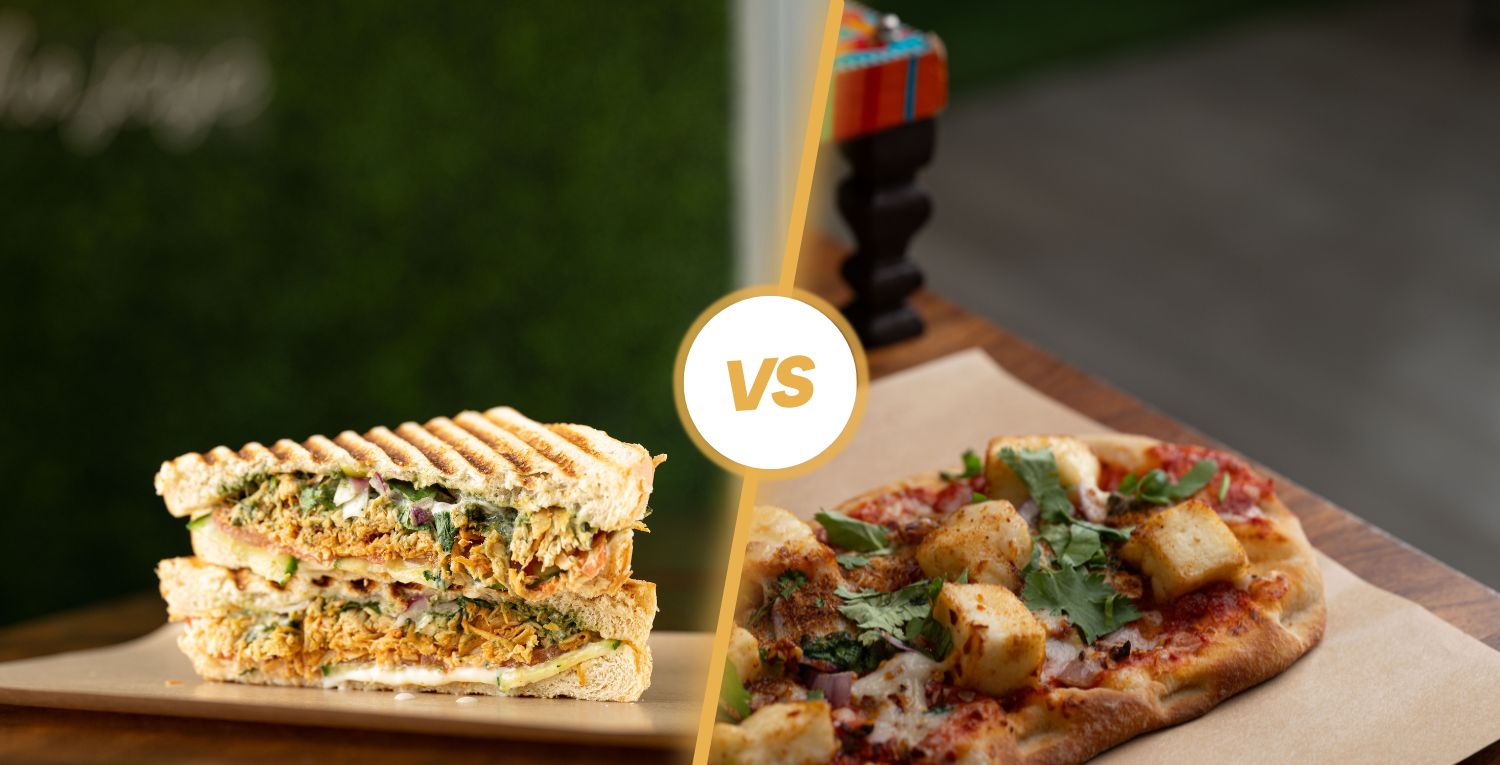
If you love South Asian food, you’ve probably wondered about the difference between Pakistani and Indian food. At first glance, they look very similar. After all, both countries share a history, culture, and some classic dishes. But if you dig a little deeper, you’ll notice they each have a unique identity.
Pakistani food is known for its hearty, meat-based dishes and smoky flavors, while Indian food is famous for its variety, vegetarian dishes, and complex spices. From cooking methods to meal traditions, there’s a lot to explore.
In this blog, we’ll take you through Pakistani food vs Indian food in seven key points so you can truly understand what makes each cuisine unique.
Key Takeaways:
- Pakistani food is generally more meat-based, while Indian food offers more vegetarian options
- Pakistani flavors are bold, smoky, and savory
- Indian food focuses on layered spices and varied heat levels
- Cooking methods differ, especially in spice preparation
- Both cuisines share historical roots, spices, and food traditions
- Regional diversity plays a major role in both food cultures
- Despite differences, both cuisines celebrate hospitality and shared meals
7 Main Differences Between Pakistani and Indian Food
The following are the 7 main differences that make Indian and Pakistani cuisines apart:
1. History and Culture
The roots of Pakistani and Indian food are very similar because both countries were one before 1947. The Mughals, Persians, and local farming practices influenced their cooking styles. Many dishes, like biryani, kebabs, and naan, are shared between the two cuisines.
After the partition of India and Pakistan in 1947, the cuisines slowly started to develop differently. Pakistani cuisine stayed closer to Mughal-style cooking, focusing on meat-heavy dishes and rich, flavorful gravies. In contrast, Indian cuisine evolved to include more regional variety and vegetarian dishes. This change was influenced by religion, climate, and the availability of local ingredients.
Over time, these differences in history and culture created the distinct tastes we enjoy today in Pakistani food vs Indian food.
2. Taste and Flavor Differences
The taste is one of the first things people notice when comparing Pakistani vs Indian food.
Pakistani food is usually bold, rich, and smoky. The spices are carefully used to enhance the natural flavors of meat, rather than overpower them. Many dishes are slow-cooked, grilled, or cooked in a tandoor oven. For example, dishes like karahi, nihari, and various kebabs have a deep, satisfying flavor that comes from careful cooking.
Indian food is often more complex. Spices are added at different stages of cooking to create layers of taste. Indian dishes range from mild and creamy curries to very spicy South Indian dishes. Each region in India has its own flavor profile. For instance, North Indian food is rich and creamy, while South Indian dishes are often tangy, spicy, and rice based.
In short, Pakistani food is hearty and bold, while Indian food is diverse and full of surprises.
3. Cooking Techniques and Methods
The way food is cooked also plays a big role in differentiating Pakistani and Indian food.
Pakistani cuisine commonly uses:
- Grilling and barbecuing
- Slow-cooked curries
- Tandoor cooking (clay oven)
These techniques give dishes like kebabs, chicken tikka, and nihari their smoky, rich taste.
Indian cuisine often uses:
- Tempering spices in hot oil, also known as tadka
- Slow simmering of dals and curries
- Steaming, especially for South Indian dishes like idli and dhokla
The base of the dishes is also different. Pakistani dishes often use onions, tomatoes, and yogurt as a base. Indian dishes may use coconut, curry leaves, or lentils, depending on the region and type of recipe.
4. Meat and Vegetarian Focus
Another major difference between Pakistani and Indian foods lies in protein choices.
Pakistani cuisine is strongly meat centric. Beef, mutton, and chicken are central to everyday meals as well as special occasions.
Indian cuisine, on the other hand, has a deep-rooted vegetarian tradition. Large parts of the population rely heavily on lentils, vegetables, grains, and dairy.
This difference is shaped by cultural and religious practices and has a major influence on how both cuisines are structured.
5. Types of Dishes and Meal Structure
The way meals are structured is also different in Pakistani and Indian food.
A typical Pakistani meal usually focuses on one or two main dishes. These dishes are often meat-based curries or grilled items. They are served with naan, roti, or rice. Meals feel hearty, filling, and straightforward.
Pakistani staples include:
- Kebabs and grilled meats
- Rich curries like karahi and nihari
- Breads such as naan, roti, and paratha
A typical Indian meal usually offers a variety of dishes on one plate. You might find dals, vegetable curries, rice, breads, chutneys, and yogurt-based sides together. This variety allows diners to enjoy different flavors and textures in one meal.
Indian staples include:
- Dals (lentil dishes)
- Sabzis (vegetable curries)
- Rice dishes like biryani and pulao
- Various breads and chutneys
6. Regional Diversity
Regional diversity adds another layer to the differences. Pakistani and Indian both cuisines both reflect strong regional identities with their own unique cooking style, spice level, and preferred ingredients.
Regional diversity across Pakistani cuisine
- Punjab: Rich, buttery curries and grilled meats
- Sindh: Spicy dishes with seafood and meat
- Baluchistan: Grilled meats with simple spices
- Khyber Pakhtunkhwa: Meat-heavy dishes with minimal spices
Regional diversity across Indian cuisine
- North India: Creamy gravies, tandoori breads, dairy-rich dishes
- South India: Rice-based meals, coconut, tamarind, and lentils
- East India: Mustard, freshwater fish, rice staples
- West India: Coastal seafood, coconut dishes, street foods
7. Mealtime Traditions and Dining Experience
The dining experience across both countries also shows a clear difference between Pakistani and Indian food.
In Pakistan, meals are often served family-style. Hospitality is very important. Guests are encouraged to eat generously, and food is seen as a way to show care and respect.
In India, meals are often served as thalis, which include several small dishes on one plate. Communal dining is common, especially during festivals and family gatherings. The variety in one meal allows everyone to enjoy different flavors together.
However, in both countries, food is not just nourishment. It is a way to connect with family and friends.
Why Not Taste It Yourself?
Spicy, smoky, creamy, or tangy—there’s no wrong choice here. Pick your favorite cuisine and turn the debate into a delicious experience.
Similarities Between Pakistani and Indian Food
Even with all the differences, Pakistani vs Indian food shares many similarities. Both cuisines celebrate rich flavors, spices, and street food culture. Meals are often family-centered and a way to connect with others.
Some key similarities include:
Chai (Tea Culture): Both cultures enjoy strong, spiced tea with milk. Chai is a daily ritual, perfect for morning, evening, or even after meals.
Street Food Love: From spicy samosa chaat and Gol Gappa in India to pakoras and bun kebabs in Pakistan, South Asian street food is popular, affordable, and full of flavor.
Use of Spices: Cumin, coriander, turmeric, chilli, and garam masala are used widely in both cuisines, giving dishes their signature aroma and taste.
Rice and Bread Staples: Roti, naan, and parathas accompany most meals, while rice dishes like biryani and pulao are central to festive meals.
Lassi (The Refreshing Drink): Both cuisines love lassi, a chilled yogurt-based drink. Sweet, salty, or flavored, it’s a perfect companion to spicy food. One favorite is mango lassi, a creamy, fruity delight that’s especially popular in summer.
Celebration of Sharing: Both cuisines emphasize family-style meals and hospitality.
What Pakistani and Indian Food Are Served at CupsNChai?
At CupsNChai, we bring the best of both Pakistani and Indian flavors straight to your plate. From spicy street food to hearty meals, there’s something for every craving. Examples include:
- Samosa
- Kachori
- Chaat
- Bombay Masala Melt
- Lahori Chicken Melt
- BBQ Chicken
- Kolkata Egg Wrap
- Karak Chai
- Masala Chai
- Lassi
These are just a few of the favorites. At CupsNChai, you can explore a variety of Pakistani foods and Indian foods, each bringing its own rich and unique flavors to your plate.
Conclusion
Pakistani food vs Indian food may share history and some dishes, but each has its own identity. Pakistani cuisine is rich, hearty, and meat-focused, while Indian cuisine is diverse, flavorful, and often vegetarian. Both celebrate spices, family meals, and tradition.
Experience these unique flavors yourself at CupsNChai, where every meal tells a story.
